 HappyHorse Model
Creating Music Videos with AI Video Generation
A great track already contains the blueprint for its visuals: rhythm, mood, pacing, and moments that deserve a hit on the downbeat. That is exactly why so many creators are turning to ai video generation music video workflows right now. Instead of building every scene manually from scratch, you can start with the song, feed it into an AI tool, and generate synchronized visuals, lyric sequences, animated characters, or full cinematic clips in minutes. The shift is practical, not theoretical: tools such as freebeat.ai explicitly position themselves as AI music video generators that create dance videos, music videos, and lyric videos “in one click,” while also promising rhythm-synced visuals, consistent avatars, clean lip sync, and style control from any song in minutes.
The speed claims are not isolated. BeatViz.ai describes itself as an “all-in-one AI music and video generator” that can turn ideas into full tracks and professional-grade music videos instantly. Plazmapunk says you can upload a track, choose a style, and generate professional videos in minutes with no editing skills needed. There are also free tutorial workflows on YouTube focused specifically on creating AI music videos step by step, including “How to Create AI Music Video for FREE (Full Tutorial)” and “How To Create Music Videos With Ai (Step-by-Step FREE Tutorial).” Taken together, that points to a very usable production stack: start with a finished song or link, generate visuals fast, polish where needed, then upscale or edit for release.
Understanding ai video generation music video (~625 words)
The core idea behind an AI-generated music video is simple: the song becomes the input that drives the visual output. Instead of beginning with a traditional edit timeline, you begin with audio, lyrics, prompts, or a link to an existing track. That matters because several tools are already built around music-first workflows. freebeat.ai, for example, supports music inputs from SoundCloud, YouTube, Suno, Udio, TikTok, Stable Audio, and Riffusion. If your song already lives on one of those platforms, you can often skip the extra export-import cycle and go directly from published track to generated visuals.
That input flexibility changes how you plan a release. If you post rough versions to TikTok, host a finished mix on YouTube, or generate songs through Suno or Udio, you can route that same source into a video tool instead of rebuilding everything around local assets. It also opens up quick testing: run the same track through multiple visual styles, compare outputs, then decide whether you want a lyric-focused cut, an avatar-led performance clip, or a more abstract cinematic sequence. When a platform says it can generate dance videos, music videos, and lyric videos “in one click,” it is telling you the category of visual treatment is now a setting rather than a separate production process.
The other big shift is synchronization. Music videos live or die on timing, so rhythm-sync is not a luxury feature. freebeat.ai specifically claims rhythm-synced visuals, which is one of the most useful concrete product details in this space. If the visual cuts, transitions, movement intensity, or avatar performance react to the beat structure, the output immediately feels more intentional. Clean lip sync matters for the same reason. If your concept involves a singer, rapper, or animated character delivering lyrics, believable mouth movement saves enormous cleanup time compared with old workflows where you had to fake performance with stock clips or manually retime edits.
Consistency is another practical issue that AI tools are starting to address. Anyone who has tested text-to-video systems knows that visual identity can drift from shot to shot. So when a tool claims “consistent avatars” and “full style control,” that should get your attention. It means you can potentially keep the same character design, wardrobe, color palette, or cinematic look through a whole sequence instead of treating every generated clip like an isolated experiment. That is especially useful for artists building a recognizable visual persona across multiple releases.
Not every workflow is fully automated, and that is fine. A Reddit user in r/SunoAI described uploading a song and prompts for visuals, then letting the system handle everything automatically, with a claimed end-to-end result in under 10 minutes. That is anecdotal, not a verified benchmark, but it lines up with the broader market message: one-click generation, instant builds, and minutes instead of days. Even if your experience lands closer to 30 or 60 minutes because you regenerate scenes and refine prompts, it is still dramatically faster than shooting a live-action video or keyframing motion design from scratch.
There is also a spectrum of tool types. Some products focus only on visuals, while others are trying to be full-stack systems. BeatViz.ai’s “all-in-one” positioning matters because it suggests one environment may cover both music generation and video generation. If you are sketching concepts quickly, that could reduce friction. By contrast, a more modular setup might use one platform for the song, another for image generation, another for video generation, and a simple editor for the final assembly.
Open ecosystems matter too, especially if you want more control. Related searches around open source ai video generation model, open source transformer video model, and image to video open source model show a growing interest in self-directed pipelines. If you want to test something like the happyhorse 1.0 ai video generation model open source transformer, or compare hosted tools with an open source ai video generation model, you are moving from convenience-first creation into customizable production. That path can also connect with searches like run ai video model locally and open source ai model license commercial use, which become important when you need privacy, cost control, or clarity around monetized releases.
Key Aspects of Creating Music Videos with AI Video Generation (~625 words)
The first key aspect is choosing the right workflow type for the result you want. A lyric video, a performance-style avatar clip, and a surreal cinematic montage all need different inputs and settings. If speed is the priority, tools like freebeat.ai and Plazmapunk are appealing because they are built around fast generation from a track upload or link. If you want a broader creative stack in one place, BeatViz.ai’s all-in-one framing may fit better. The useful move here is to define the format before you generate: lyric-led, beat-reactive abstract, performance character, dance visualizer, or narrative sequence. That one decision determines what prompts to write and what footage you may still need to create.
The second key aspect is prompt design. Strong prompts save time, improve visual consistency, and can reduce wasted credits in credit-based systems. One Reddit prompt cheat-sheet snippet specifically ties better prompting to saving credits, and that matches real-world experience: vague prompts create vague outputs, which usually means more rerolls. A practical prompt structure is subject + context + action + style + camera + ambience. For example: “silver-jacket vocalist on a rainy neon rooftop, singing directly to camera, slow push-in, blue-magenta cyberpunk lighting, cinematic atmosphere, smoke, lens flares.” That structure gives the model enough information to build usable scenes without overcomplicating every line.
For music videos, the prompt also needs beat intelligence. Write prompts around sections of the song rather than one giant prompt for the whole track. Break the track into intro, verse, pre-chorus, chorus, bridge, and outro. Then assign visual energy to each section. Keep intros atmospheric, make choruses wider and brighter, and use bridges for contrast like silhouette shots, minimal color, or slow-motion transitions. This section-based approach is one of the easiest ways to make generated visuals feel edited to the song even when the AI is doing most of the assembly.
The third key aspect is source material. Some tools let you start from text, some from an image, and some from a song link. If you need character consistency or a branded look, create a master image first and use that in an image to video open source model or hosted image-to-video tool. This is often more reliable than asking a model to invent a recurring lead character from scratch in every shot. Build one reference portrait, one full-body image, and one environment frame, then use those assets to anchor the rest of the video. That one step can dramatically improve continuity.
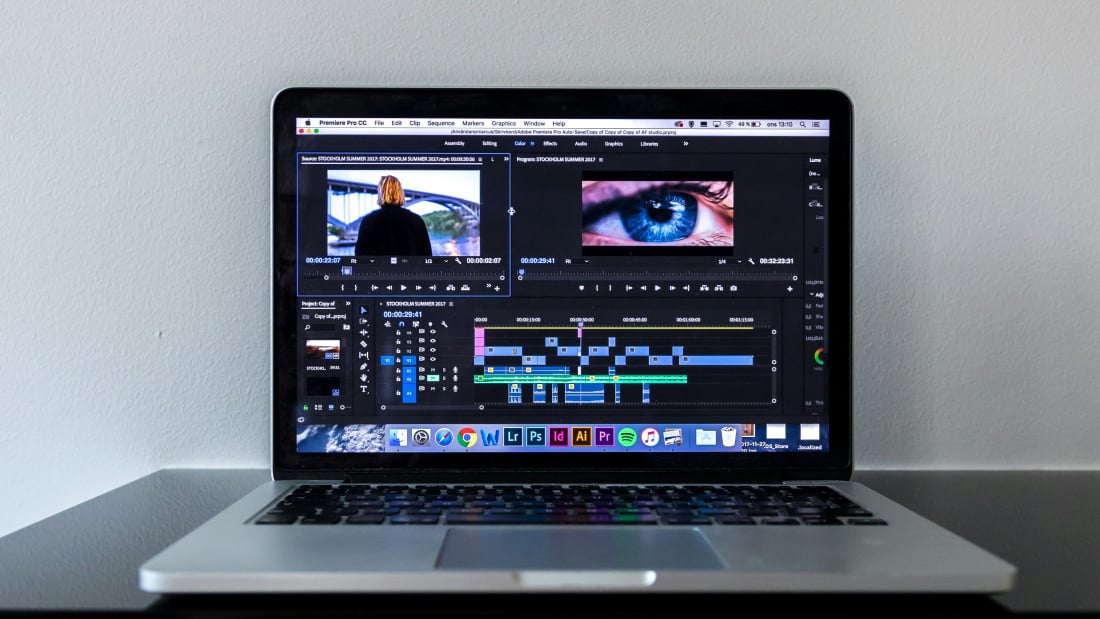
The fourth key aspect is hybrid editing. Even when a platform promises no editing skills are needed, a short finishing pass in a normal editor can elevate the result fast. A Reddit snippet mentions creators combining AI visuals with Shotcut, which is a very realistic workflow. Generate clips in the AI tool, assemble them in Shotcut or another editor, then tighten cuts to snare hits, duplicate the strongest clips for repeated hooks, add title cards, overlay lyrics, and fix pacing. AI gives you raw material quickly; editing gives you structure. If a generated chorus sequence works, reuse it strategically instead of regenerating endlessly.
The fifth key aspect is quality control and delivery. A music video that looks great on a preview page can still fall apart on export if resolution, frame interpolation, or compression are weak. This is where AI enhancement becomes useful. A guide referenced in r/TopazLabs talks about upscaling a music video from 480i to 4K progressive using AI video tools, and YouTube tutorials on upscaling low-quality video to 4K with AI show how common this finishing step has become. If your generated clips are soft, noisy, or low-res, upscale after the edit lock rather than before. That keeps processing time manageable and avoids redoing expensive enhancement passes after every cut change.
The final key aspect is rights and deployment. If you are testing open models, check the open source ai model license commercial use terms before releasing monetized work on YouTube, Spotify Canvas-style assets, ads, or client projects. If you plan to run ai video model locally, look at hardware requirements, output quality, and license limitations before committing. Open workflows can be powerful, especially with an open source transformer video model, but hosted tools often win on speed and polish. The best setup is the one that gets the song visualized cleanly, on time, and at a level you are proud to publish.
Practical Tips for ai video generation music video (~625 words)
Start with the song file or song link and build a visual brief before touching any generator. Write down BPM, mood words, dominant colors, performance style, and three visual references. Then mark the structure by timestamp: intro, verse, chorus, verse, chorus, bridge, final chorus, outro. This gives you a map for generation. If you are using freebeat.ai, its support for sources like YouTube, SoundCloud, Suno, Udio, TikTok, Stable Audio, and Riffusion makes it easy to begin from wherever the track already exists. That avoids unnecessary exports and keeps the workflow fast.
Use one master concept sentence for consistency. A lot of AI videos get messy because every clip is prompted like a separate experiment. Instead, write one anchor line and reuse its core details across the project. For example: “moody noir performance in a rain-soaked alley with red neon reflections and slow handheld camera movement.” Then vary the shots around that concept: close-up, wide shot, silhouette, tracking shot, rooftop cutaway, crowd shot, lyric overlay scene. This keeps style drift under control and helps your video feel like one piece rather than a playlist of disconnected generations.
Keep prompts specific but modular. A useful formula is: subject, wardrobe, location, action, emotion, style, camera, lighting. For a chorus, try: “female pop singer in chrome trench coat, futuristic tunnel, singing powerfully to camera, energetic, glossy sci-fi style, fast dolly movement, pulsing white and cyan light synced to the beat.” If the output is close but unstable, do not rewrite everything. Change only one variable at a time, such as camera movement or wardrobe color. That makes troubleshooting faster and saves credits, which lines up with the prompt-efficiency advice from the Reddit cheat sheet snippet.
Generate more clips for the chorus than the verses. Choruses carry the replay value of most music videos, so they deserve your strongest visual material. Create 5 to 10 variations for the main hook section, then choose the two or three best and alternate them with fast cuts. For verses, simpler loops, slow camera motion, or lyric-focused scenes often work better. This allocation keeps your time and budget where the audience actually notices it: the recurring emotional peak.
If your tool offers avatar consistency or lip sync, test those features on a 10 to 15 second section before committing to a full render. freebeat.ai specifically highlights consistent avatars and clean lip sync, and those are features worth validating early. Pick a chorus line with visible vocal articulation, render a short sample, and check whether mouth movement lands naturally on key syllables. If it does, you can safely build the rest of the concept around a performance-based video. If not, pivot early to a lyric video or a non-literal cinematic treatment instead of forcing a weak result through the whole song.
Do a rough assembly in a standard editor even if the generator already made a full sequence. Shotcut is a good lightweight example from the Reddit workflow mention, and it is enough for a lot of polishing tasks. Tighten cuts to drum hits, duplicate your best transition before each chorus, add subtle zooms to still-ish clips, and insert black-frame flashes on major impacts. If the generated video already follows the beat, those manual tweaks turn “good enough” into “release-ready” very quickly.
Upscale at the end, not in the middle. If your source output is lower quality, finish the cut first and then use AI upscaling or enhancement once. The r/TopazLabs reference to taking a music video from 480i to 4K progressive shows how much finishing can matter, especially for archive material, old footage, or soft generations. A separate upscaling pass can recover detail perception, smooth edges, and make the final export more platform-ready. It also helps when mixing assets from multiple generators that do not match perfectly in sharpness.
If you want deeper control, test an open source ai video generation model for prototype clips while keeping a hosted tool in reserve for final renders. That hybrid approach works well when you want experimentation without losing delivery speed. Searches around run ai video model locally and open source transformer video model point to a growing DIY route, while terms like image to video open source model are especially relevant when your pipeline starts from character art or cover artwork. Just verify open source ai model license commercial use before publishing monetized outputs, because license details can matter as much as render quality when a project moves from test upload to official release.
Conclusion (~625 words)
Creating a strong music video no longer requires choosing between expensive production and static visuals. The current generation of AI tools makes it possible to start with the track, define a visual direction, and produce something polished quickly enough to fit real release cycles. The most important shift is the music-first workflow. Tools like freebeat.ai are built around that idea, accepting songs and links from platforms including SoundCloud, YouTube, Suno, Udio, TikTok, Stable Audio, and Riffusion, then turning them into dance videos, lyric videos, or cinematic music videos with rhythm-synced visuals. That means the song itself can stay at the center of the process instead of becoming just one asset in a complicated edit pipeline.
Speed is the second big takeaway, but it is useful only when paired with control. Across the available tools and tutorials, the language is consistent: one click, instantly, in minutes, under 10 minutes. freebeat.ai emphasizes generation in minutes from any song. BeatViz.ai presents itself as an all-in-one system for tracks and videos. Plazmapunk says professional videos can be generated in minutes without editing skills. A Reddit user described a complete upload-plus-prompts workflow that handled everything automatically in under 10 minutes. Even if those numbers vary in practice, the direction is clear: the time barrier has dropped enough that testing multiple visual concepts for one song is now realistic.
The best results still come from intentional setup. Start with a sectioned song map, not a random prompt window. Build one visual concept sentence, then create section-specific prompts for intro, verses, choruses, and bridge. Use stronger, more varied clips in the chorus because that is where repetition works in your favor. If your tool supports lip sync and avatar consistency, test those on a short chorus excerpt before generating the whole piece. If continuity matters, use reference images or a controlled image-first workflow. If your visuals look good but the pacing feels off, a quick pass in Shotcut or another editor will usually solve it faster than repeated regeneration.
Prompt quality is the hidden multiplier. Better prompts not only improve output but also reduce rerolls and wasted credits. The most reliable prompt structure remains practical: subject, setting, action, style, camera, and lighting. For music videos, add emotional intensity and section intent. That turns a generic scene into a usable shot. It also gives you a repeatable framework, which matters when you are building a consistent look across multiple songs or an entire release campaign.
Finishing matters too. AI generation gets you to a usable draft quickly, but export quality often determines whether the final video feels professional. That is why enhancement and upscaling belong in the workflow. References to AI upscaling from 480i to 4K progressive, along with common 4K AI enhancement tutorials, show how often creators use finishing tools to push rough material into release shape. Lock the edit first, then upscale once. That keeps the workflow efficient and improves the final result where it counts.
There is also room for deeper control if you want it. Hosted platforms are great for speed and convenience, but open ecosystems are becoming more relevant for creators who want custom pipelines, local rendering, or tighter asset control. Interest around terms like happyhorse 1.0 ai video generation model open source transformer, open source ai video generation model, image to video open source model, and run ai video model locally points to a practical next step for more technical workflows. Just make sure you check open source ai model license commercial use details before publishing commercial releases or client work.
The simplest way to approach ai video generation music video creation is this: start with the song, lock the visual identity, prompt by song section, edit lightly for impact, and finish with enhancement if needed. That process keeps the music in charge while using AI where it helps most: speed, iteration, synchronization, and style exploration. Done well, ai video generation music video workflows do not replace creativity; they remove friction between hearing the visual in your head and getting it on screen.