 HappyHorse Model
HappyHorse vs Google Veo 3: Open Source Challenger vs Big Tech
If you’re deciding between HappyHorse and Google Veo 3, the real question is whether you need low-cost local experimentation or a more proven tool for professional-quality video generation.
HappyHorse vs Veo 3 Google: What Actually Separates These Video Models?
The shortest definition of each tool
HappyHorse is being talked about as an emerging AI video model in the local and self-hosted workflow crowd, with repeated claims around free access, no waitlist, and fast text-to-video plus image-to-video generation. The strongest framing from the available sources is that it’s a challenger model surfacing in the same conversations as Pixverse, Kling, Veo Lite, and Veo-style systems, especially for people who want to run AI video model locally rather than depend only on a closed hosted platform.
Google Veo 3 sits on the other side of that split. It’s the more established big-tech option here: commercially oriented, more mature in reputation, and backed by stronger third-party commentary on output quality. The clearest source-backed assessment comes from CNET, which says Veo 3 is better for professional-minded creators and specifically praises its creativity and prompt adherence. If your work lives or dies by whether the model actually follows the shot description you typed, that’s a meaningful edge.
Why this comparison matters right now
This comparison matters because HappyHorse has an unusually interesting profile. According to an APIYI analysis blog, HappyHorse quietly appeared in early April 2026 on the Artificial Analysis Video Arena blind leaderboard. That same source says both V1 and V2 showed up there. Even more unusual, the model reportedly ranked highly in blind testing and then disappeared. That kind of leaderboard cameo gets attention fast because it hints at strong capability, but it also leaves a lot unresolved: repeatability, access details, licensing, and whether the best results translate into everyday production use.
There’s also a practical timing factor. A Reddit post title in r/StableDiffusion described HappyHorse 1.0 as a new SOTA local video model with a release date of April 10. That is useful context if you’re tracking the happyhorse 1.0 ai video generation model open source transformer conversation, but it still needs to be treated carefully. The “local model” framing and release date are reported claims from a title, not independently verified documentation. That distinction matters when you’re deciding whether to commit time to a workflow.
For most real buyers and builders, the split is pretty clear. HappyHorse looks promising for access, experimentation, and potentially self-hosted workflows. Veo 3 has stronger evidence behind it today for polished, professional-minded output. If you’re benchmarking happyhorse vs veo 3 google, the practical question is not which one is more exciting on paper. It’s whether you need immediate, cheap testing freedom or more confidence that the model will reliably hit the brief.
HappyHorse 1.0 and V2: What We Know Before Choosing It Over Veo 3 Google
Leaderboard sightings and release claims
The strongest reported facts around HappyHorse come from the APIYI blog, which says the model appeared in early April 2026 on the Artificial Analysis Video Arena blind leaderboard. That matters because blind leaderboards are one of the few places where a new model can get noticed for results before branding takes over the conversation. According to that source, both HappyHorse V1 and V2 were listed. If you’re trying to assess whether this is just hype or whether there was at least some comparative signal, that dual-version mention is one of the most concrete details available.
The stranger part is what happened next. APIYI describes HappyHorse as a dark horse model that surfaced, ranked highly in blind testing, and then disappeared. That’s notable because it makes the model hard to evaluate in a normal way. You can’t treat a temporary leaderboard appearance the same as a stable, publicly documented release with reproducible test conditions and broad hands-on coverage. Practically, that means you should treat HappyHorse as promising but still partly opaque.
What is verified vs what is only reported
Here’s the clean split that helps when comparing it against Veo 3. Verified from the available notes: an APIYI blog says HappyHorse appeared in early April 2026 on the Artificial Analysis Video Arena leaderboard, and that both V1 and V2 were mentioned. Also verified from available marketing pages: HappyHorse is positioned as free, with no waitlist, and capable of turning text and images into HD AI video in seconds. Those are claims made on HappyHorse-related pages, so they are real claims, but they are still promotional claims rather than neutral benchmark outcomes.
Reported but not independently verified: the April 10 release timing for HappyHorse 1.0 and the stronger “local video model” framing tied to that exact launch announcement come from a Reddit title in r/StableDiffusion. That title is useful because it shows how the model is being discussed, especially by people interested in an open source ai video generation model or an open source transformer video model workflow. But Reddit titles are not the same as official documentation, release notes, or robust third-party testing.
The practical move is to separate three buckets before choosing HappyHorse over Veo 3 Google. First, there’s promotional copy: free, HD, professional quality, no waitlist, and seconds-fast generation. Second, there’s community discussion: local model, April 10 release, and challenger buzz. Third, there’s stronger third-party comparison: the blind leaderboard appearance and disappearance, plus later commercial-model routing suggestions from APIYI. If you keep those categories separate, you won’t overread the evidence. For experimentation, HappyHorse is compelling. For certainty, Veo 3 still has the stronger paper trail.
Quality, Prompt Adherence, and Output Style: HappyHorse vs Google Veo 3 for Real Projects
Where Veo 3 has the clearer edge
If your project involves a real client brief, campaign concepts, product shots, or any sequence where the model needs to obey the prompt instead of riffing away from it, Veo 3 has the clearest advantage from the sources available. CNET’s comparison is the most useful evidence here: it says Veo 3 is better for professional-minded creators and highlights excellent creativity and prompt adherence. That combination is exactly what matters when you need a generated clip to reflect specific camera moves, scene details, or visual intent instead of just producing something vaguely cinematic.
That makes Veo 3 the safer tool for high-stakes text-to-video work. If you need “golden hour city street, slow dolly-in, reflective wet pavement, subject turns toward camera, subtle lens flare” and you need the result to look polished without ten rounds of prompt repair, prompt adherence is not a side feature. It is the workflow. In a head-to-head happyhorse vs veo 3 google decision, this is the strongest reason to lean toward Google’s model when the output has to be dependable.
Where HappyHorse may appeal to testers
HappyHorse’s appeal is different. The available pages position it around HD text-to-video and image-to-video generation in seconds, with a Veo alternative angle and repeated claims of professional quality. That is attractive if you want to test lots of ideas fast, especially for rough previsualization, animating concept art, or turning stills into motion without paying premium hosted-model rates upfront. If you care more about trying five directions quickly than locking final delivery on the first pass, that low-friction promise matters.
But there’s an important distinction: those quality statements are mostly marketing claims, not deep benchmark results. We do not have source-backed comparative evidence showing that HappyHorse consistently beats established commercial systems on prompt fidelity, motion coherence, or final polish. We do have a reported leaderboard appearance and strong curiosity around the model. That makes it worth testing, not automatically trusting for production.
A practical decision framework helps. Pick Veo 3 when prompt fidelity, polished output, and client-facing reliability matter most. Test HappyHorse when you’re exploring a new image to video open source model workflow, checking whether you can run ai video model locally, or trying to lower the cost of iteration before moving to a premium generator. If you’re building moodboards, storyboard animatics, or visual R&D, HappyHorse may be enough to prove the idea. If you’re delivering final ads, launch videos, or polished branded content, Veo 3 currently has the stronger quality case.
One more caution: anecdotal comments about competitors producing “10x the videos at the same price,” such as a Reddit opinion comparing Chinese video models and Veo 3.1, should not be treated as hard performance benchmarks. Use them as a signal to test pricing and throughput yourself, not as evidence that one model objectively dominates another.
Pricing, Access, and Workflow: When HappyHorse Beats Veo 3 Google on Convenience

Free access vs premium ecosystem
The simplest reason to try HappyHorse first is access friction. Multiple HappyHorse pages position it as free, with no waitlist, and able to generate video from text and images in seconds. If you’ve ever had a good concept stalled because you were waiting for access, waiting on credits, or avoiding expensive tests until the prompt was “perfect,” you already know why this matters. Cheap or free iteration can save more time than marginal quality gains when you’re still validating the idea.
That convenience makes HappyHorse especially attractive for rapid prompt prototyping. You can test narrative beats, camera ideas, scene continuity, or image animation concepts early without committing to a premium stack. For rough concept passes, a low-cost option often wins because you can afford to be wrong several times in a row. That is a real advantage in early-stage text-to-video and image-to-video workflows.
Local use, no waitlist, and fast testing
The local angle is where HappyHorse becomes genuinely interesting. The Reddit framing specifically described HappyHorse 1.0 as a local video model, and that matters for anyone building a self-hosted pipeline. Local workflows give you more control over testing, fewer platform dependencies, and potentially lower long-run cost if your hardware can support the model. That does not automatically prove an open source ai video generation model release in the licensing sense, but it does make HappyHorse relevant to anyone exploring an open source transformer video model stack or trying to keep generation close to their own infrastructure.
This is where HappyHorse can beat Veo 3 Google on convenience even if it does not beat it on final quality. If your goal this afternoon is to validate prompts, animate reference images, or compare variants quickly, “free + no waitlist + fast generation claims” can matter more than premium polish. That’s the difference between experimenting today and bookmarking something for later.
Veo 3, by contrast, is the better fit when you want a more mature commercial environment and are willing to pay for that maturity. If the output is client-facing, production-bound, or tied to a deadline where reliability matters more than open experimentation, a hosted commercial stack is usually the calmer choice. And if you want access to mature commercial models without waiting for any one platform’s direct rollout, the APIYI blog explicitly mentions using an API gateway to reach models such as Veo 3.1, Kling 3.0, or Seedance 2.0. That route is practical when your priority is availability and model choice rather than local tinkering.
How to Choose HappyHorse vs Veo 3 Google Based on Your Use Case

Best choice for hobbyists, indie creators, and researchers
HappyHorse makes the most sense when your main goal is experimentation. If you want to run ai video model locally, poke at a self-hosted pipeline, or test an open source ai video generation model workflow without paying premium rates upfront, it is the more intriguing option. The free positioning and no-waitlist messaging are not small perks; they directly affect how often you test, how many prompts you compare, and how fast you can refine your ideas.
This also applies if your workflow leans heavily on image-to-video. When you already have stills, concept art, comic panels, product renders, or AI-generated frames and just want to animate them into motion tests, HappyHorse’s “text and images into HD AI video in seconds” positioning fits the exploration phase well. The same goes for researchers and technical users investigating what the happyhorse 1.0 ai video generation model open source transformer conversation could mean in practice. Just stay disciplined about licensing and deployment assumptions until the model terms are explicit.
For these use cases, the smartest shortlist is simple: test HappyHorse first, then keep notes on motion consistency, prompt follow-through, render time, and hardware needs. If it gets you 70% of the way for free or nearly free, it may already be the right tool for ideation.
Best choice for teams, agencies, and professional creators
Veo 3 is the stronger choice when consistency matters more than experimentation. CNET’s assessment gives you a solid reason: Veo 3 is better for professional-minded creators and offers excellent creativity and prompt adherence. That means fewer rerolls to get the intended framing, fewer surprises in scene interpretation, and a better chance of usable output in commercial workflows.
For teams, that predictability compounds. If multiple people are writing prompts, reviewing drafts, and revising toward approval, a model with stronger prompt fidelity saves real time. It is especially valuable in text-to-video work where the prompt itself acts like a production brief. And for image-to-video tasks, a more mature commercial model can be the better choice when the animated result needs to preserve subject identity, product details, or scene logic consistently enough for external delivery.
A simple way to choose between happyhorse vs veo 3 google is to map the model to the stage of your pipeline. Use HappyHorse for exploration, internal concepting, and low-cost testing. Move to Veo 3 or a similar commercial model when consistency, polish, and deadline reliability become the priority. That approach keeps your costs down early and your risk down later.
One extra thing to check before production deployment: open source ai model license commercial use terms. “Local,” “self-hosted,” and “free” do not automatically mean unrestricted commercial use. Before building a repeatable workflow around any emerging local model, confirm the license, output rights, and any restrictions on redistribution or client work.
Best Alternatives and Next Steps After Comparing HappyHorse vs Google Veo 3
Other models worth testing
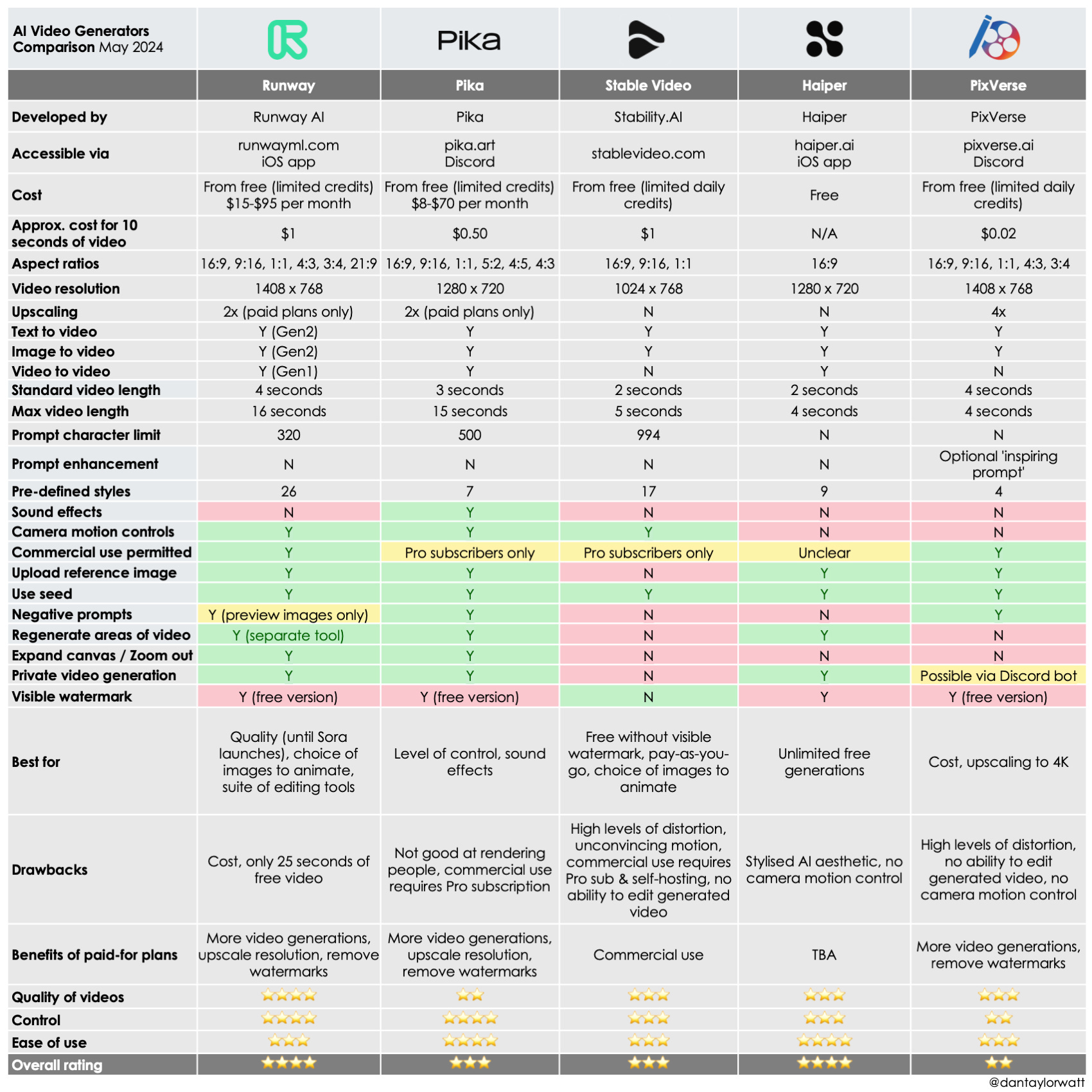
The broader AI video field is crowded enough that a two-model comparison is only the start. The research notes place HappyHorse in the same conversation as Kling, Pixverse, Veo Lite, Seedance, Wan, and Hailuo. Evidence quality varies a lot by source, so treat some names as shortlist candidates rather than proven equals. For example, the notes mention a YouTube title claiming Veo 3.1 competes with Sora 2, Kling 2.5, Wan, Seedance, and Hailuo, but that title alone does not provide measurable ranking data. Useful for awareness, not enough for conclusions.
A more grounded next step is to benchmark across one local-first option and two commercial options. HappyHorse covers the low-cost or self-hosted side. Veo 3 covers the quality-first, professional side. Then add one or two alternatives such as Kling or Seedance if they are available through your preferred platform. The APIYI blog specifically points to API access for Seedance 2.0, Kling 3.0, and Veo 3.1, which is practical if you want one place to compare outputs under similar calling conditions.
A fast decision checklist
Use this checklist before committing to any model:
- Budget: Do you need free or near-free iteration first, or can you pay for the model that gives the best hit rate immediately?
- Workflow: Do you want a hosted tool, or do you specifically need to run ai video model locally?
- Input type: Are you primarily doing text-to-video, or do you need a strong image to video open source model path?
- Prompt adherence: Is “close enough” fine for ideation, or do you need the model to follow instructions tightly for production?
- Speed of access: Does no waitlist matter because you need to test today?
- Licensing: Have you checked open source ai model license commercial use terms before using outputs in paid work?
- Reliability: Can you tolerate a mystery-model situation, or do you need a stable commercial vendor with clearer expectations?
A good testing sequence is straightforward. Start with HappyHorse if your goal is free or local experimentation. Run the same prompts through Veo 3 and one or two commercial alternatives. Compare them on prompt fidelity, motion coherence, render speed, and how often a first or second generation is already usable. Keep one set of image-to-video tests and one set of text-to-video tests so you are not overgeneralizing from a single workflow.
If you are seriously considering any emerging local model, verify availability, licensing, and commercial-use terms before it touches production. “Open,” “local,” and “self-hosted” can mean very different things in practice. That final check is what separates a fun test bench from a usable pipeline.
Conclusion

HappyHorse is the more intriguing pick if you want accessible experimentation, low-friction testing, and a possible path toward local or self-hosted AI video workflows. The reported early April 2026 leaderboard appearance, the mentions of both V1 and V2, and the free/no-waitlist positioning are enough to make it worth trying right now for ideation, rough previs, and rapid image-to-video or text-to-video exploration.
Google Veo 3 is still the safer choice when the output needs to be polished, prompt-faithful, and dependable. The strongest direct comparative evidence in the sources comes from CNET, which says Veo 3 is better for professional-minded creators and praises its creativity and prompt adherence. That gives Veo 3 the edge for client work, campaign-ready visuals, and any workflow where consistency matters more than novelty.
The cleanest path is to use both according to stage. Start with HappyHorse when you want speed, low cost, and freedom to experiment. Move to Veo 3 when quality control and predictable results become non-negotiable. That’s the practical answer to happyhorse vs veo 3 google: HappyHorse is the better sandbox, while Veo 3 remains the better production bet.